


Attribution Models Explained: How to Measure True Marketing Impact
Marketing attribution models serve the same main purpose as instant replays in sports—to help marketers determine which touchpoints contribute to the winning outcome. Theoretically, every customer means a sale, but in reality, you as the business owner need to attribute success to the right touchpoint that optimizes your marketing strategy and budget.
So, today, we’re going to discuss the top marketing attribution models that you’ve only heard a little, but their importance is unquestionable when it comes to tracking customer behaviour on your website.
What Is a Marketing Attribution Model?
Marketing attribution models are frameworks for analyzing which touchpoints or marketing channels are responsible for driving conversions. Attribution models let businesses allocate credit to specific marketing efforts.
First-click attribution: Crediting the initial selling spark
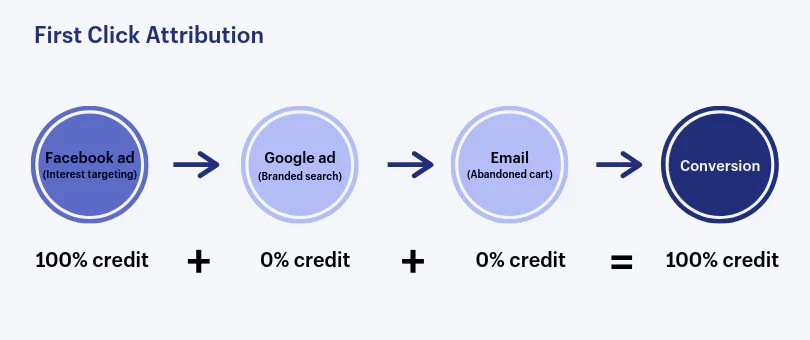
First-click attribution gives the entire credit for a conversion to the first interaction a customer has with your brand before converting. Basically, it’s driven via social media paid ads, e.g. a customer first discovers an online tech store through an Instagram ad and browses the website. A week later, they return directly to the site and make a purchase. So, basically Instagram was the first interaction that introduced the customer to the store.
You can implement this model for easy understanding and implementation of the insights without complex analysis.
Last-click attribution
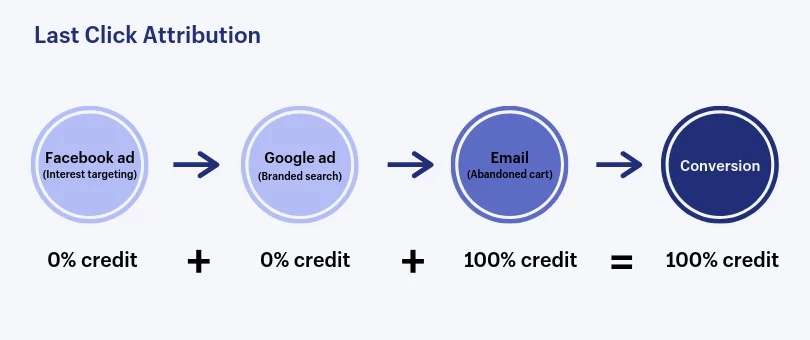
Last-click attribution assigns all the credit for a conversion to the final interaction before a customer purchases. Basically, it means that your customer made a full cycle of customer journey and still makes a purchase via paid ads on social media platforms, e.g Linkedin. So ,LinkedIn retargeting ads are attributed to generating the lead because it was the final interaction that led to filling out the form. Your business can use this method if it has shorter sales cycles where the final interaction significantly influences the conversion.
Linear attribution: Equal credit for all
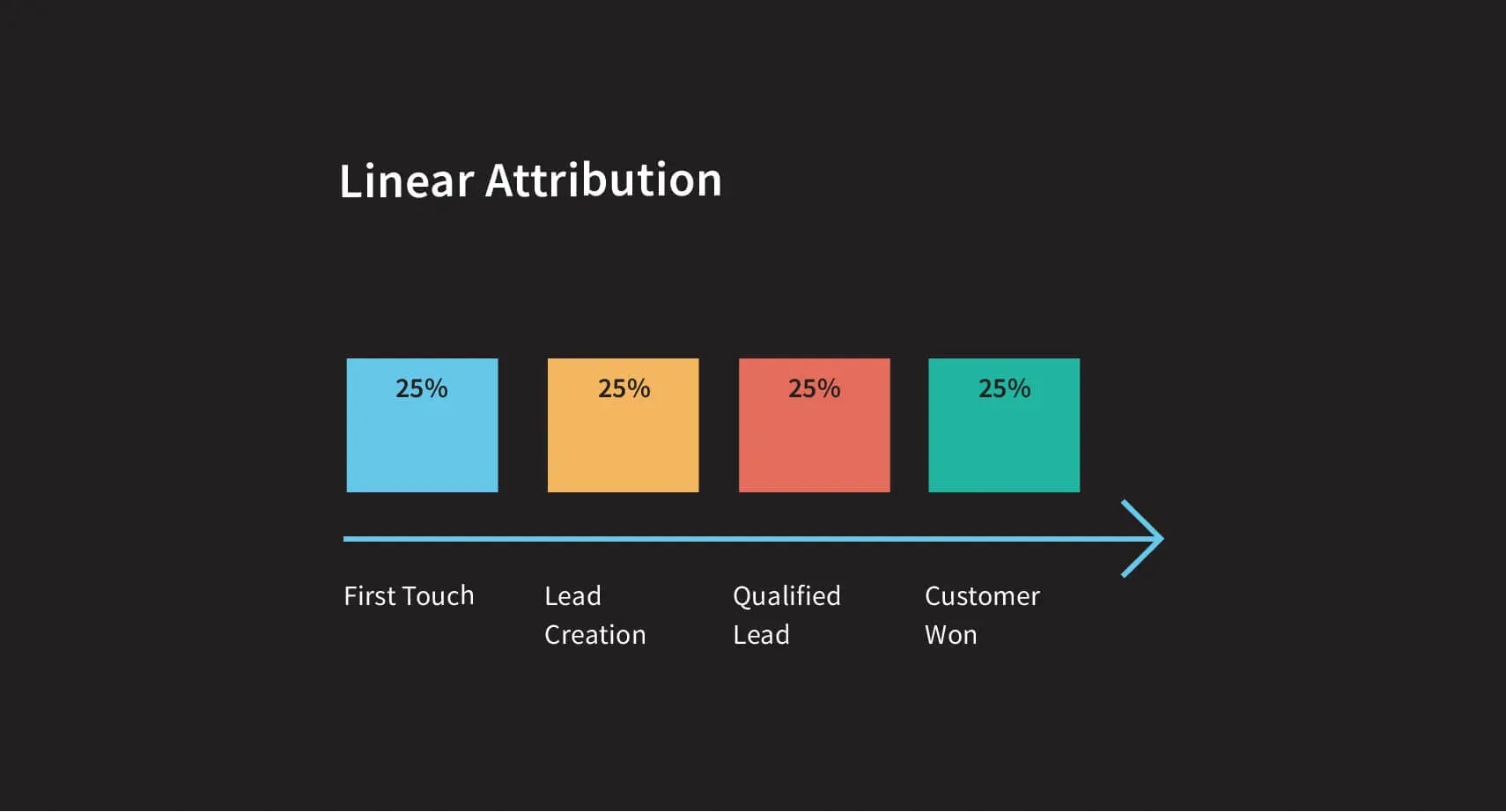
Linear attribution distributes the credit for a conversion equally across all touchpoints the customer encounters throughout the buying journey. For example, you gain a new follower on your Youtube account, but before that a user discovers your app through a YouTube influencer review, engages with your social media posts, and clicks on a targeted ad before downloading the app. This method is the most effective if you’re using multichannel campaigns where no single touchpoint dominates the customer journey, and each interaction progressively influences the final conversion.
Position-based attribution
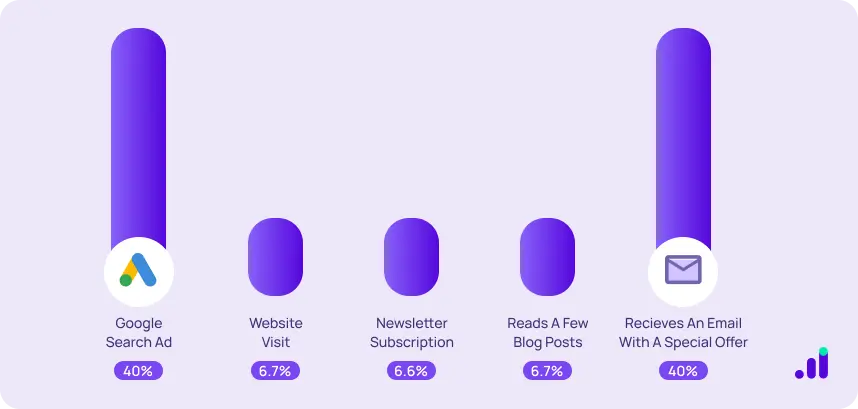
In this model, the whole marketing of the business allocates 40 percent of the credit each to the first and last interactions and distributes the remaining 20 percent among the middle touchpoints. For example, a potential customer learns about your business through a LinkedIn article (40%), listens to a relevant podcast episode (20%), and purchases your product after clicking on a paid search ad (40%). This model is ideal for the businessses with mid-length sales cycles, where the initial engagement and the final touchpoint are crucial, and intermediary steps also play a notable role.
Attribution models are very unpredictable, because if in the first quarter of the business year, your brand will be getting a lot of traction from the 1st model, then depending on several factors it can switch to another’s.
Because of this reason your website and social media accounts should be fully ready for any instant change, with Intactdia’s top notch Web development and Social Media Management services you will be stepping ahead of your competitors in the market.