


Why Redesigns Should Start With Analytics, Not Design
When you feel like something needs to be changed in your website, but still have doubts about your final decision, the best solution for that is a solid data-driven strategy. While gut feelings can be helpful to a small extent, using data and user behavior insights when redesigning your website is a must. With this method, you will get results suitable for your business goals. Analytics tools provide a wealth of quantitative and qualitative information about how users interact with your website.
By using analytics, you understand the ‘good’ areas as well as those that need improvement. And the main data focuses only on user behavior, because that’s the point you need to reach for the stable conversions. In this article, you will learn the logic of using analytical data for the redesigning process of your online business.
Identifying Problem Areas
First and foremost analytics help you to detect weak points in your website’s performance. Let’s look closer at them:
- Identifying your worst-performing pages- you need to understand what doesn’t work for your audience, you’ll know what to avoid in your website redesign. (Traffic and Conversation data)
- Bounce rates – Bounce rates tell you how many of the people on a page click away without visiting any other page on your website or taking an action like a purchase.
- Identifying top performance pages- here you need to consider Traffic data and Conversations Data
Analytics on Audience
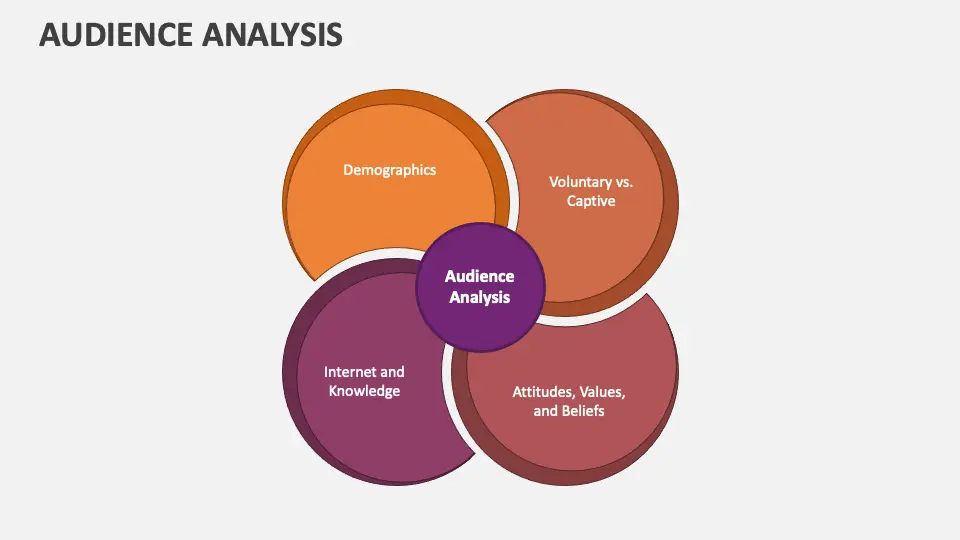
- a)Language-Analytics on which language your audience uses most.
- b)Country– Data broken down by which country it comes from.
- c)City–To get more specific in seeing where your visitors are.
- d)Age range – The age of your target audience.
- e)Gender –Analytics on the gender breakdown of your visitors.
- f)Time on site – When someone clicks onto your website, how long they stay on it is a key indicator of how valuable they find it.
These exact data will help business owners identify usability problems, before making a decision about a total redesigning.
A/B Testing Is Your Final Stop Before Decision On Redesign
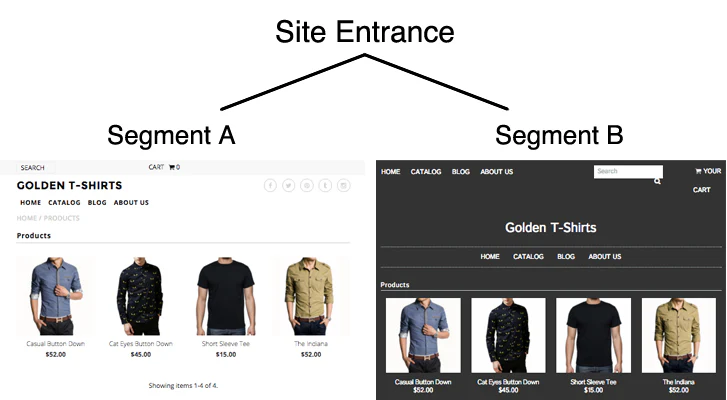
So, now as you’re at the final stage of making a decision about website redesign, A/B testing, as a method of comparing two versions of a web element to determine which one performs better based on user behavior will help you in guidance. In web design, A/B testing involves creating two variations of a webpage-marked as A and B-and splitting your traffic between them. You may ask why?The answer is simple, to measure how each version performs against a specific objective, such as increasing conversions, reducing bounce rate, or boosting time on page.
So, in practice, it looks like that, let’s say you want to improve your homepage banner. You might test two different headlines to see which one results in more users clicking through to a featured product. So, Version A will keep your existing headline, while Version B introduces a new one. After collecting enough user data from both versions, you compare the results and implement the version that performs better. Basically, with A/B testing, you can remove the guesswork from webdesign, by eradicating such questions as which elements users prefer. Take into consideration that the following elements need to be considered for the A/B testing:
- Headlines and subheadings.
- Call-to-action buttons (color, placement, text).
- Hero images and videos.
- Navigation layout.
- Product descriptions and pricing formats.
With Intactdia’s Web design service you can quickly implement A/B Testing for your business, analyze the data and make a final decision about the redesign.
Website redesign should not begin with visual changes or aesthetic improvements, the only thing that you need to primarily focus on is analyzing website data to understand how users interact with the platform. And only after that , you can set a clear goal for A/B testing for the final decision with live results.By starting the redesign process with analytics, business owners can make informed decisions, improve user experience, and create websites that effectively support their strategic goals.