


How to Identify Low-Quality vs High-Intent Visitors
Now, as a business owner you have everything, from the most innovative tools for your online business to the outstanding marketing campaigns.But still there ill be thousands of visitors who have different action patterns on your website which you need to know the result of.
When it comes to converting website traffic into valuable leads, not all activities are equal. You don’t need to chase every visitor. What you need is the model of 2 behavior patterns: high-intent and low intent visitors.
In today’s blog post, we identify the key characteristics of both behaviour models and key signals to watch for include high-value page visits, repeat engagements, and meaningful interactions with your content. By doing that, your business will be able to switch its focus on the right behaviors, from attracting visitors to nurturing the ones that matter.
How High-Intent Website Activity Looks Like?

When your website switch to high-intent activity model, it start to:
- Focus on Serious Buyers: High-intent signals show which prospects are genuinely interested so sales can focus on where it matters.
- Shorten the Sales Cycle: Engaging leads who are actively evaluating options speeds up the process and helps you reach decisions faster.
- Improve Conversion Rates: You’re not pushing a product or service anymore since they’re already interested.
- Reduce Wasted Effort: Identifying low-intent leads early helps prevent wasting resources on dead ends.
- Optimize Resource Allocation: By focusing on high-intent leads, you ensure your team’s energy is spent where it’s most likely to produce results.
But, here one crucial model is missing and it’s the signals of high-intent buyer:
- Behavioral Signals: Most of the time spent on your website are focused on overviewing pricing pages, visiting “contact us” or demo pages, adding items to a cart, or engaging with bottom-of-funnel (BOFU) content.
- Search Behavior: Using search terms with high intent, such as “buy [product] now” or “[service] near me”.
How Low-Intent Activity on Websites Looks Like?
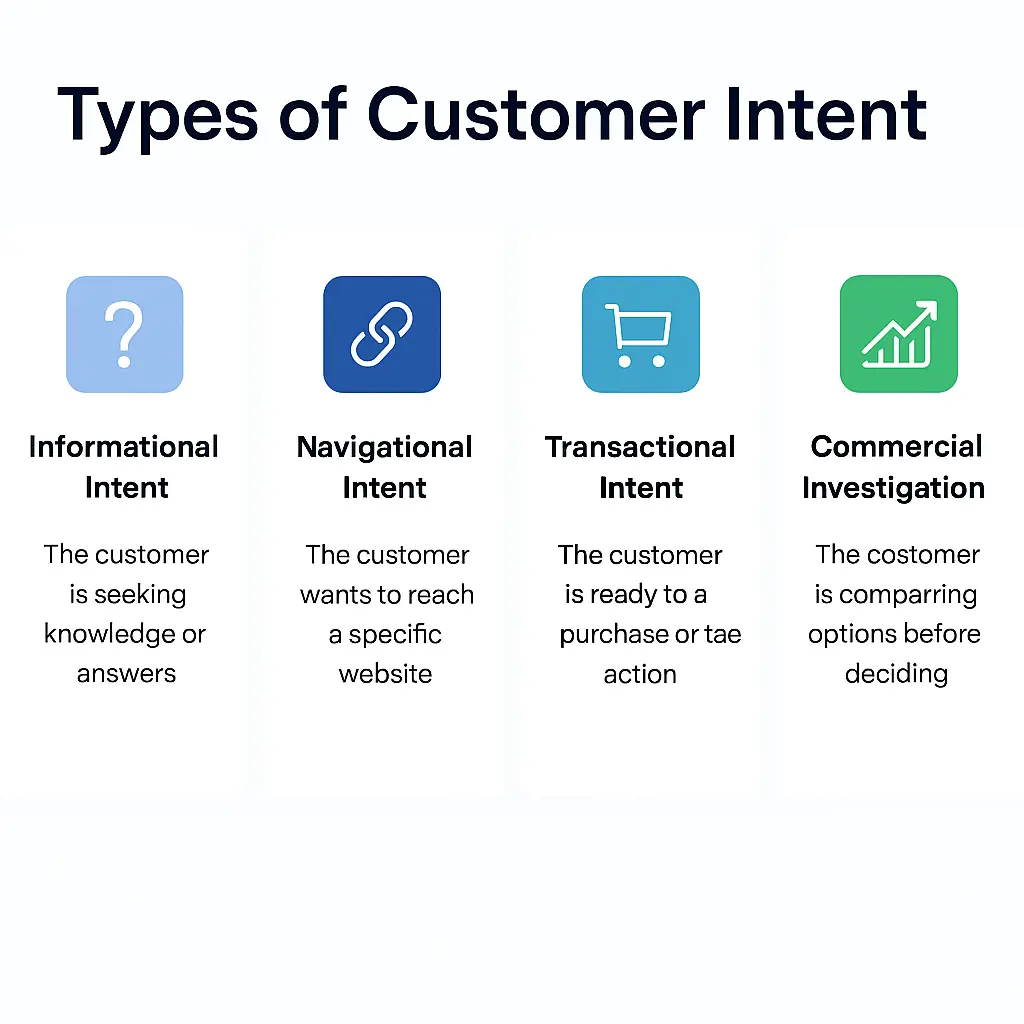
Low-intent activities are literal screaming signs that a lead isn’t yet ready to buy. Plus, your website itself indicates limited interest and suggests the lead needs more nurturing. For example, your website (if it’s in a low-intent era) is only about casual browsing, downloading content without follow-up, or without engaging with key pages like product demos.
You need to know everything on your website should have a CTA, e.g. reading a blog post without further action, like signing up for a demo, shows the lead is just gathering information, not actively considering a purchase. And now let’s look at the perfect low-intent visitor sample:
- Behavioral Signals: Short, brief visits (less than 5 seconds), only reading blog posts, or researching general industry insights.
- Search Behavior: Searching for information (“how to,” “what is”), rather than transactional terms.
- FYI: Even low-intent traffic is valuable for building brand awareness, authority, and SEO, as they might become customers later.
Turning Low-Intent into High-Intent

So, the low-intent visitors checked your website, left their digital footprint in the format of behaviour and you start to forget about them. Well, it shouldn’t be like that: now it’s time to turn them from low-intent to high-intent within a single session, or over time with nurturing. You can start doing it by:
- Using Retargeting: Personalized ads based on their browsing history.
- Offering Content Upgrades: By providing a “low intent” offer (like a whitepaper) to capture an email address and track future behavior.
- Do something with UX: A well-structured website helps users move efficiently through the funnel, improving the speed of their intent growth.
As a business owner, you should take into consideration these 2 moments while checking the tracking on your website: a) first you’re tracking the high-intent users and making sure that they purchase your product and b) only after double-checking you start to focus on low-intent users, and trying to switch them to high-intent ones.