


How to Track User Behavior in SaaS Products (Events, Funnels, Retention)
In the competitive SaaS landscape, understanding your users isn’t just nice to have—it’s essential. You need to track how your users interact with your product, because without that your business will be wasting time to get the proper conversions.
As a business owner, you see your product analytics metrics that connect user behavior to business outcomes. The only thing is, you need to have not vanity metrics that look good in a board deck, but actionable SaaS growth metrics that tell you exactly where to focus your engineering, product, and marketing efforts.
In this blog, we are going to explore strategies for tracking and analyzing user behavior. After learning more about it, you will be able to make actionable steps to help you grow your SaaS product and keep users coming back.
Set Clear Objectives and Metrics
Only after clarifying what you want, your tracking efforts can result in something, but without the clear goal it is a flood of data with no actionable insights.
Let’s decide:
- Set Goals: Decide what you want to improve—onboarding, retention, or feature adoption.
- Track Metrics: Examples include:
- Activation Rate: Percentage of users completing a critical first step, like finishing onboarding.
- Retention Rate: How many users return over time.
- Time-to-Value (TTV): How quickly users achieve the value promised by your SaaS.
Implement Event-Based Tracking
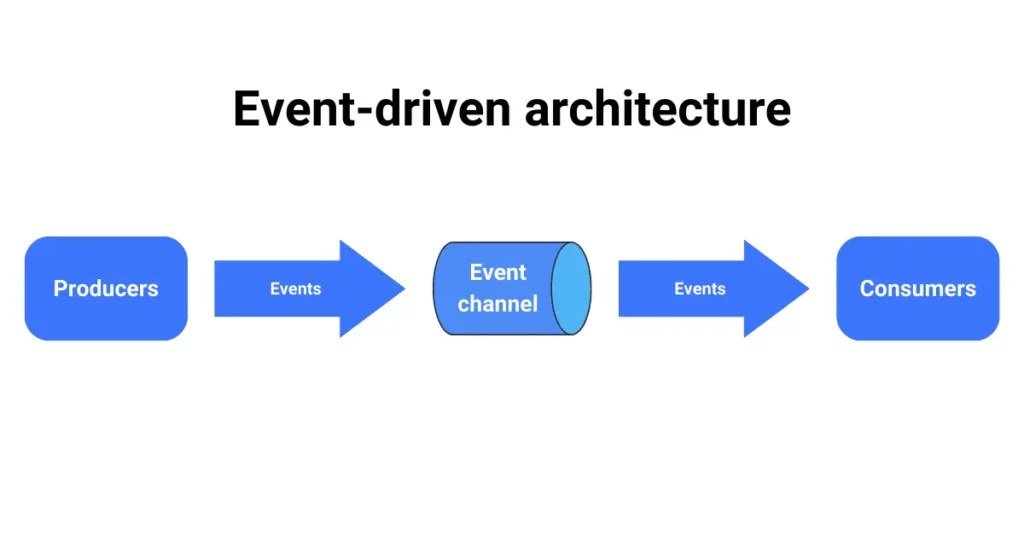
The Event-based tracking strategy pinpoints user actions and helps you understand how users interact with your product.
Follow the following steps to implement event tracking:
- Identify key actions, like:
- Signing up
- Using a core feature
- Upgrading their subscription
- Implement tracking with Intactdia to collect and manage event data efficiently.
For example,your users abandon onboarding halfway. Event tracking can show whether they’re dropping off at the tutorial or during setup. By doing that, you can streamline these steps and test the impact.
Now Conduct Funnel and Journey Analysis
As funnels map user progression through critical paths, journey analysis offers a comprehensive view of user interactions over time. The only thing you need to do here is to carefully track the behaviour of the potential clients:
- Funnel Analysis: For example, track users as they move from “Sign Up” → “Onboarding Completion” → “Subscription Upgrade.”
- Journey Analysis: Understand the full scope of a user’s behavior over multiple sessions.
If 50% of users drop off at the pricing page, that basically means that you need to improve messaging or add a live chat option to clarify doubts in real-time.
It’s time for the Heatmaps and Session Recordings
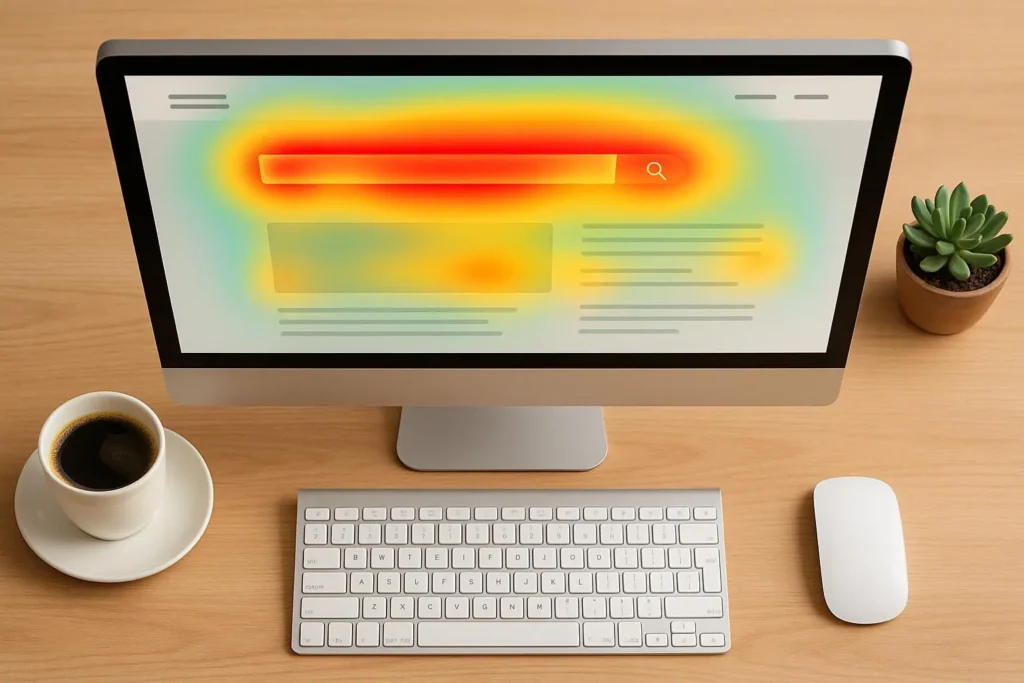
By using heatmaps you will be able to analyze which areas of your UI get the most attention. Plus to it you can also watch review session recordings to see where users struggle or abandon tasks.
Example: A heatmap might show users repeatedly clicking on non-clickable elements, signaling a need for clearer design.
Use Predictive Analytics for Proactive Actions
By using predictive analytics you anticipate user behavior, such as churn risk or likelihood to upgrade. Acting on these insights can improve retention and revenue.
What you do is to
- Analyze usage data to identify patterns, such as declining logins or inactivity.
- Set up automated interventions like:
- In-app messages suggesting features they haven’t explored.
- Emails offering help or incentives.
For example if potential customers haven’t logged in for a week, trigger an email highlighting the features they’re missing or offering a quick re-engagement tutorial.
As a business owner of SaaS products, all of these tactics aren’t just about collecting data-it’s about understanding your users and making informed decisions to enhance their experience. As the team who is in this sphere for more than 10 years, we know that the strategies outlined here aren’t just best practices—they’re proven methods, if you’d like to move forward with it, you can contact us here.